Preparing for a government examination requires more than simply studying for a few hours every day. Competitive examinations demand a combination of conceptual understanding, factual knowledge, regular practice, revision, time management, and familiarity with the actual examination pattern. One of the most important decisions an aspirant makes at the beginning of preparation is choosing the right study material. With hundreds of books, guides, question banks, practice papers, digital resources, and preparation materials available in the market, it can be difficult to decide which resources genuinely deserve a place in your study plan. The Best Government Exam Books should not necessarily be the books with the most pages or the most popular title; they should be resources that match your examination syllabus, explain topics clearly, provide sufficient practice, and help you revise efficiently.
For students preparing for government and competitive examinations, Gyaan Vitaan Publications offers a range of examination-oriented books covering areas such as General Studies, General Knowledge, administrative-service examinations, School Lecturer, Grade II and Grade III Teacher examinations, Library Science, Lab Assistant, PTET, Suchana Sahayak, Pashu Parichar and other competitive-exam categories. Its catalogue also includes subject-focused resources such as Rajasthan Geography, Indian Constitution and Governance, Rajasthan polity, Hindi language and literature, General Science and Rajasthan history, art, culture and literature. This makes it possible for aspirants to think about book selection in a more targeted way: instead of collecting every available resource, they can select books according to their particular examination, subjects, syllabus and preparation stage.
What Makes a Good Government Exam Book?
A good book for competitive preparation should solve a specific study requirement. It should help the student understand the subject, revise important information, practise questions, or become familiar with the style of examination questions. A book that contains a large amount of information is not automatically useful if its content is poorly organised or unrelated to the examination syllabus.
When evaluating Government Exam Books, start by asking whether the book is relevant to the examination you are preparing for. Check the subjects covered, level of difficulty, chapter organisation, question format, explanations, practice sections and whether the content is appropriate for the current preparation requirements. The book should ideally help you move from learning a concept to practising it and then revising it.
The purpose of competitive preparation is not to read as many books as possible. It is to understand the required subjects thoroughly and revise them enough times to recall the information during the examination. Therefore, a smaller collection of carefully selected books can often be more useful than a large collection that remains unfinished.
Start With Your Examination Syllabus
Before buying any Competitive Exam Preparation Books, study the official syllabus and examination pattern of your target examination. This should be the foundation of your book-selection process. Different government examinations can have very different subject requirements, even when they appear similar at first.
For example, an aspirant preparing for a Rajasthan-focused examination may need detailed material on Rajasthan’s geography, history, culture, polity and other state-specific topics. A student preparing for a teaching examination may need subject-specific material, pedagogy-related preparation and practice questions appropriate to the particular examination. Similarly, administrative-service preparation may require broader General Studies and General Knowledge coverage.
Gyaan Vitaan Publications categorises its catalogue into examination and subject areas, including General Studies/General Knowledge/Administrative Services Exams, School Lecturer, Grade II Teacher, Grade III Teacher, Library Science, Lab Assistant, PTET, Pashu Parichar and other categories. This type of categorisation can make it easier for an aspirant to begin with the actual examination requirement instead of randomly selecting books.
Choose Books According to Your Preparation Level
The right book for a beginner may not be the same as the right book for someone who has already completed the syllabus once. If you are starting from zero, you generally need resources that explain concepts clearly and provide enough background information to build a strong foundation. If you have already studied the syllabus, your priority may shift towards revision, question practice, previous-year questions and mock examinations.
This distinction is important because students sometimes buy advanced practice books before developing a basic understanding of the subject. Others continue reading introductory material even after they are ready for intensive practice. A better strategy is to choose resources according to your current stage and gradually change your study material as your preparation develops.
Focus on Syllabus Coverage Rather Than Book Size
A common misconception is that a thick book must be better than a shorter one. In reality, the usefulness of a book depends on how effectively it covers the relevant material.
A concise, well-organised book can be extremely useful for revision because it allows students to review important concepts quickly. A detailed reference book can be valuable during the learning stage when students need deeper explanations. Both can have a role, but they should serve different purposes.
When choosing the Best Government Exam Books, examine whether the book provides the level of detail you actually need. If your examination requires specific Rajasthan-related knowledge, for example, a general Indian history book may not provide sufficient state-specific coverage. Similarly, a general knowledge book may not be enough for an examination requiring detailed subject preparation.
Look for Clear and Structured Content
Organisation can make a major difference during competitive preparation. A book with logical chapters, clear headings, structured explanations, tables where appropriate, and well-arranged practice material can save valuable study time.
Good structure also makes revision easier. When students return to a chapter several weeks after studying it, they should be able to quickly identify the main concepts and important information.
The objective is to create a study resource that can be used repeatedly. A book that is easy to navigate can become more valuable throughout the preparation journey because it can support initial learning as well as later revision.
Check Whether the Book Includes Practice Questions
Reading alone is not enough for most competitive examinations. Students need to test their understanding through questions. This is why practice material is an important consideration when choosing Competitive Exam Preparation Books.
Questions help identify areas that need further study and expose students to the way information may be tested. Regular practice can also improve speed and accuracy, two factors that become particularly important when an examination has a strict time limit.
Gyaan Vitaan’s catalogue includes question-oriented titles such as 2nd Grade Pratham–Prashn Patra | MCQs + PYQs Book, as well as model-question resources for teacher examinations. These types of books can complement concept-focused study by giving aspirants an opportunity to apply what they have learned.
Why Previous-Year Questions Matter
Previous-year questions are valuable because they provide insight into how an examination tests candidates. They can help students identify recurring themes, understand question difficulty, practise time management and recognise the difference between knowing a topic and being able to answer a question about it.
However, previous-year questions should not be treated as a substitute for learning the syllabus. Their greatest value comes when they are used alongside conceptual study. After completing a topic, students can solve relevant questions and then review the concepts behind the questions they answered incorrectly.
Subject-Specific Books Can Strengthen Preparation
General preparation books can provide broad coverage, but some examinations require specialised resources. Subject-specific books allow students to spend more time on areas that have particular importance within their target examination.
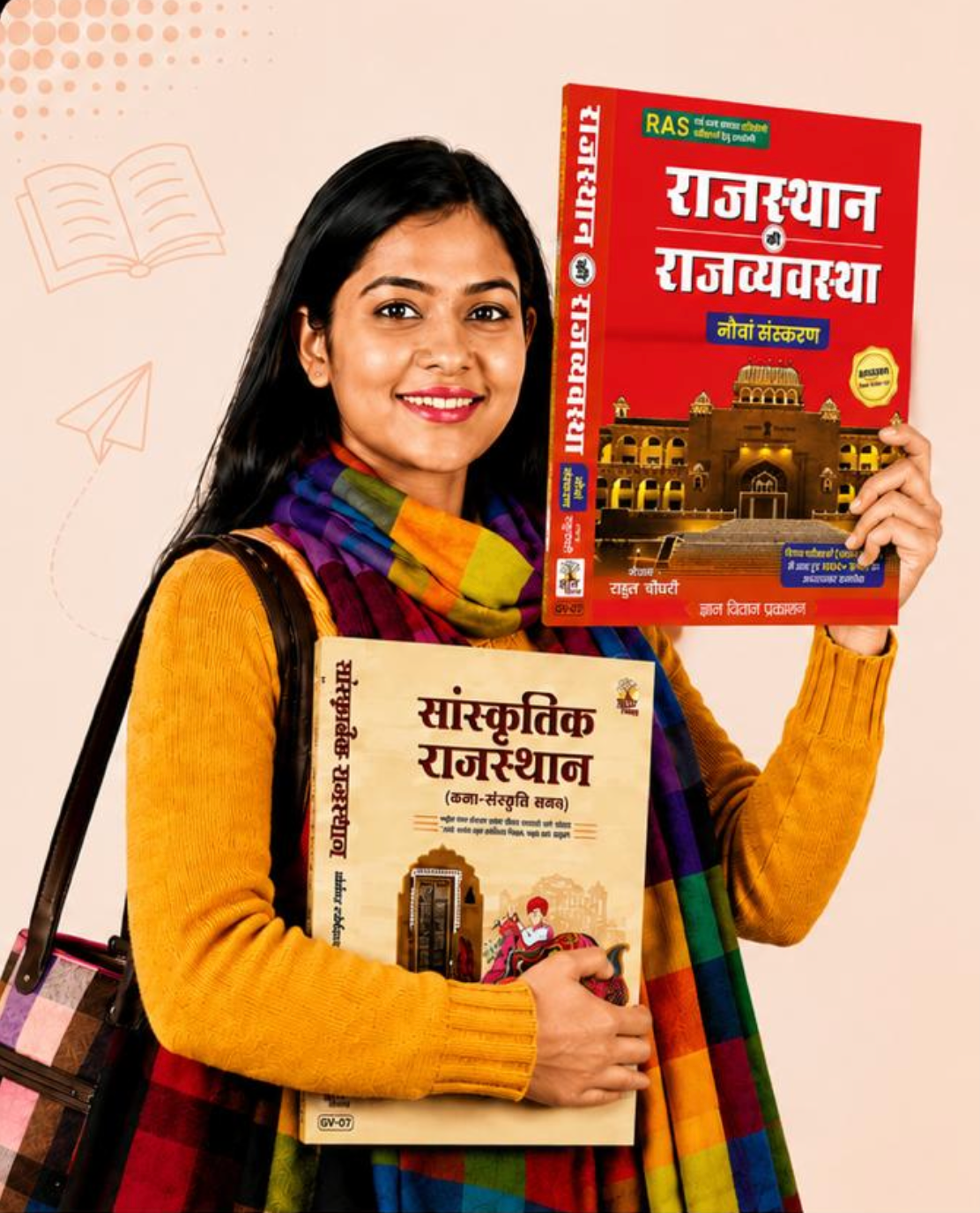
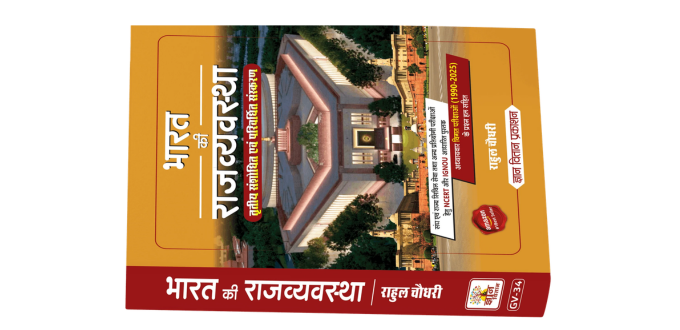
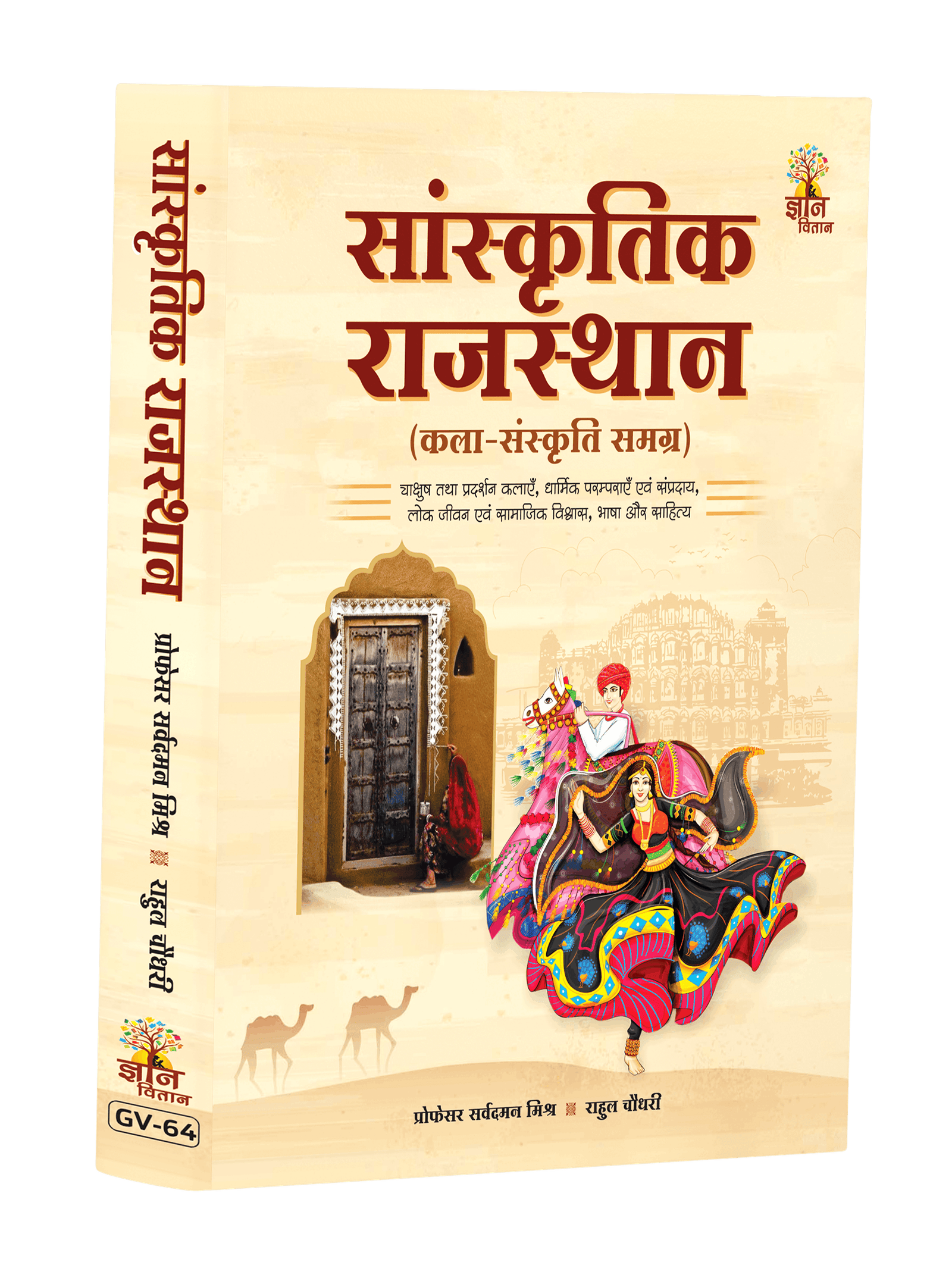
For instance, Gyaan Vitaan Publications lists resources covering Rajasthan Ka Bhugol, Sanskritik Rajasthan, Bharat Ki Rajvyavastha, Rajasthan Ki Rajvyvastha, Vigyan Evam Prodyogiki, Hindi language and literature, General Science, and Rajasthan history, art, culture and literature.
This subject-focused approach is particularly useful for aspirants who need to strengthen one specific area rather than repeatedly studying an entire general preparation book.
Consider Rajasthan-Specific Content When Required
For many Rajasthan government examinations, state-specific knowledge can be an important part of preparation. Topics related to Rajasthan’s geography, history, culture, literature, polity and other state-focused areas require resources that provide sufficient depth and relevance.
Aspirants should therefore avoid assuming that a national-level general knowledge book will cover everything needed for a Rajasthan-focused examination. Dedicated resources can make preparation more targeted.
Gyaan Vitaan’s catalogue includes Rajasthan-focused titles such as Rajasthan: Gyan Vitan (Part 1) – History, Art, Culture & Literature of Rajasthan, Rajasthan Ka Bhugol, Rajasthan Ki Rajvyvastha, and Sanskritik Rajasthan. These resources can be incorporated according to the student’s examination and syllabus requirements.
Check the Edition Before Buying
Another important consideration is the edition of the book. Students should check whether the book is the latest available edition, particularly when studying subjects where information, examination requirements or reference material can change.
For static subjects, an older edition may sometimes remain useful, but aspirants should still verify whether the content aligns with the current syllabus. For areas affected by changing information, updated resources can be particularly important.
Gyaan Vitaan’s current catalogue displays editions on some titles, including Bharat Ki Rajvyavastha (3rd Edition) and Rajasthan Ki Rajvyvastha (9th Edition). Checking the edition information before purchase is therefore a simple but useful part of the selection process.
Do Not Buy Too Many Books
One of the biggest mistakes competitive-exam aspirants make is collecting books without developing a realistic plan for completing them. Buying ten books for one subject may initially feel like serious preparation, but if only one or two are actually studied, the additional books may create confusion rather than improve preparation.
Choose a primary resource for each subject and use additional books only when they serve a clear purpose. For example, one book can be your main conceptual resource, while another can be used for MCQs and previous-year questions.
This approach makes revision easier because you know exactly where to return when a topic needs to be reviewed.
Create a Balanced Book Collection
A practical preparation library can include different types of resources rather than multiple books serving the same purpose. Your collection might include a core subject book, a practice or question book, previous-year questions, and additional material for subjects requiring deeper study.
The exact combination depends on the examination. A teaching-exam candidate may need different resources from an administrative-service aspirant. A Rajasthan-specific examination may also require dedicated state-level resources.
The key principle is simple: every book you purchase should have a clear role in your preparation strategy.
How to Use Government Exam Books Effectively
Buying the right book is only the first step. How you use it determines its actual value. Instead of reading passively, study with a purpose. Before starting a chapter, understand where the topic fits into the syllabus. During the first reading, focus on understanding concepts rather than trying to memorise every sentence. After completing the chapter, solve relevant questions and identify areas where your understanding is weak.
During subsequent revisions, focus on important facts, concepts, definitions, relationships and frequently tested areas. Use your mistakes from practice tests to decide which chapters need additional attention.
This approach transforms Government Exam Books from passive reading material into active preparation tools.
Make Notes Without Rewriting the Book
Notes can be helpful, but students should avoid copying entire chapters into notebooks. The purpose of notes is to create a quick revision resource.
Write down information that is difficult to remember, important comparisons, confusing concepts, key facts, formulas, dates, terminology or mistakes identified during practice. Over time, these notes can become particularly useful before the examination.
A well-selected book with good organisation can reduce the amount of additional note-making required because students can return directly to the relevant section during revision.
Combine Books With Question Practice
The strongest preparation usually combines learning and application. After studying a chapter, solve questions related to it. If you make mistakes, return to the relevant section of your book and understand why the answer was incorrect.
This method can reveal gaps that ordinary reading may not expose. Sometimes students believe they understand a topic because the explanation appears familiar, but they struggle when the same concept is presented in a question.
Practice therefore acts as a test of actual understanding.
Use Books for Multiple Revision Cycles
Competitive examination preparation becomes stronger when students revise information repeatedly. A single reading is rarely enough to retain everything in a large syllabus.
Your first reading should focus on understanding. The second can focus on strengthening weak areas. Later revisions can become faster and more selective, concentrating on important concepts, facts and previously incorrect questions.
This is another reason to choose Best Competitive Exam Preparation Books that are organised clearly and easy to revisit.
How Gyaan Vitaan Publications Can Support Preparation
Gyaan Vitaan Publications positions its catalogue around quality exam books and study materials for competitive-exam preparation. Its website currently presents featured books and categories covering several government and competitive examination areas.
The catalogue includes resources such as Gyaan Vitaan Hindi Vyakaran Mala, Rajasthan Ka Bhugol, Bharat Ki Rajvyavastha, Rajasthan Ki Rajvyvastha, Vigyan Evam Prodyogiki, and General Science material for examinations including UPSC, RPSC, RSMSSB and other state competitive examinations.
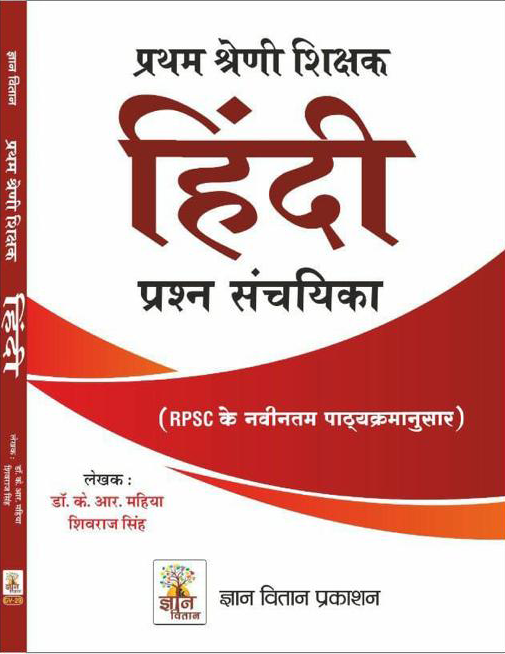
For teacher-examination aspirants, the website also lists resources such as REET Level-2 Vigyaan, Sanskrit Shikshan Vidhya, Adhyapak Level-2 Hindi, Pratham Shreni Shikshak Hindi Prashn Sanchayika, and School Lecturer resources. This variety means students can select resources based on the particular subject and examination rather than relying on one generic preparation book for every requirement.
Build Your Preparation Around Your Weak Subjects
Every student has different strengths. Some may be comfortable with general knowledge but struggle with reasoning. Others may understand concepts quickly but need extensive question practice. Your book selection should reflect these differences.
After taking a diagnostic test or solving a sample paper, identify the subjects that require the most attention. Then choose resources that directly address those weaknesses.
If you are already strong in one subject, buying multiple books for that subject may not be the best use of your time or budget. Instead, focus additional preparation on areas where improvement can make a greater difference.
Books Should Complement, Not Replace, the Official Syllabus
No commercial book should be treated as a replacement for the official examination notification and syllabus. The syllabus provided by the relevant examination authority should remain the primary reference point.
Use books to understand and practise the subjects mentioned in the syllabus, but regularly verify that your preparation remains aligned with the latest official requirements. This is especially important when examination patterns or subject requirements change.
A good preparation strategy combines official information with well-selected study resources.
Common Mistakes to Avoid
Students can avoid several common problems simply by being more selective about their study material.
The first mistake is buying books without checking the syllabus. The second is changing books repeatedly because another resource appears more attractive. The third is reading without solving questions. Another common problem is failing to revise completed chapters. Students may also spend too much time collecting resources and too little time actually studying them.
The solution is to create a simple resource strategy. Choose carefully, complete your primary material, practise regularly, analyse mistakes and revise repeatedly.
FAQs
What are the Best Government Exam Books for competitive preparation?
The best books depend on the examination, syllabus, subject and preparation level. A useful book should provide relevant coverage, clear explanations, suitable practice questions and a structure that supports revision. Gyaan Vitaan Publications offers examination and subject-specific resources across several government and competitive examination categories.
How many Government Exam Books should I buy?
There is no fixed number. It is generally more useful to select a small number of relevant resources and complete them thoroughly than to collect many books without a clear study plan. Each book should have a specific role, such as concept building, practice, previous-year questions or revision.
Are Competitive Exam Preparation Books enough to clear a government examination?
Books are an important part of preparation, but success also depends on consistent study, revision, question practice, time management and understanding the current examination requirements. Students should combine books with mock tests and regular self-assessment.
How should I choose books for a Rajasthan government exam?
Start with the official syllabus and identify Rajasthan-specific subjects included in your examination. Then choose dedicated resources for areas such as Rajasthan geography, history, culture, literature or polity where required. Gyaan Vitaan Publications lists several Rajasthan-focused titles in its catalogue.
Should I use separate books for theory and practice?
It can be useful when the examination requires substantial question practice. A concept-focused book can help build understanding, while MCQ, model-question and previous-year-question books can help develop examination skills. The combination should depend on your syllabus and current preparation level.
Final Thoughts
Choosing the right Government Exam Books is an important part of building an organised preparation strategy, but the objective should never be to collect the largest possible number of books. The right resource is one that matches your examination, syllabus, subject requirements and preparation stage. Before buying, examine the content, structure, relevance, edition, practice questions and revision value. Once you have selected your resources, use them consistently and combine reading with active question practice and regular revision.
For aspirants looking for Best Government Exam Books and Best Competitive Exam Preparation Books, Gyaan Vitaan Publications provides a broad catalogue covering multiple government and competitive examination categories. Its website includes General Studies and General Knowledge resources, Rajasthan-specific books, teacher-examination material, subject-specific resources, MCQ and previous-year-question books, and other examination-oriented titles.
The most effective preparation is ultimately not about finding one magical book. It is about selecting relevant resources, understanding the syllabus, studying consistently, practising questions, analysing mistakes and revising multiple times. With a focused book-selection strategy and disciplined preparation routine, aspirants can make their study time more productive and approach their competitive examination with greater clarity and confidence.
For exploring the current catalogue and selecting books according to your examination or subject, visit Gyaan Vitaan Publications.