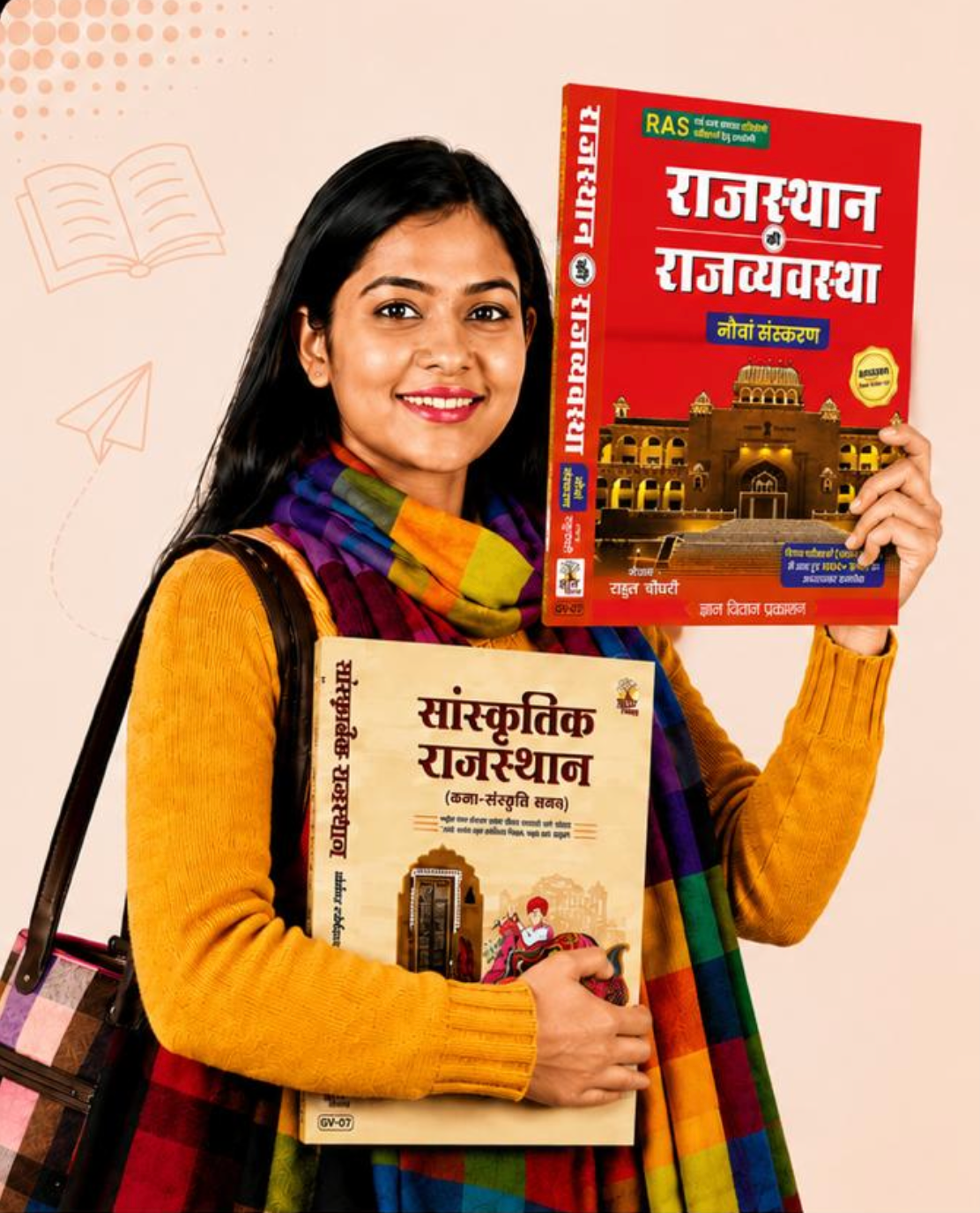
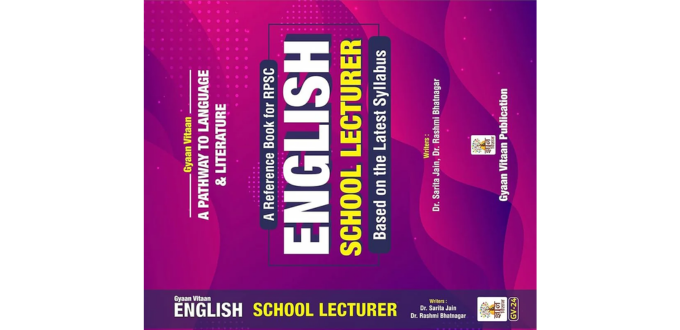
Preparing for a School Lecturer examination requires a clear understanding of the syllabus, consistent study, regular revision and the right learning resources. For Hindi subject aspirants, selecting the right book can make the preparation process much more organised because Hindi lecturer examinations often require candidates to study language, grammar, literature, literary history, important writers and poets, criticism and other subject-specific areas. Instead of collecting a large number of books without a clear plan, candidates should choose resources that cover the required syllabus in a structured and exam-oriented manner. A well-selected School Lecturer Hindi book can become an important part of daily study, revision and practice.
At the same time, candidates preparing for teaching and lecturer recruitment examinations may also need resources for subjects beyond Hindi. Depending on the examination and eligibility requirements, aspirants may search for a School Lecturer History book, School Lecturer Sanskrit book, or a broader collection of School Lecturer books covering different subjects. This makes it important to choose books from a reliable academic publisher that understands the needs of competitive examination candidates. Gyaan Vitaan Prakashan can be explored by aspirants looking for subject-focused educational and examination preparation books designed to support systematic learning rather than random resource collection.
Why Choosing the Right School Lecturer Book Matters
The right book is more than a collection of information. For a competitive examination, a useful preparation book should help candidates understand important concepts, revise them efficiently and practise the type of questions relevant to their examination. This becomes particularly important when the syllabus is extensive and students have limited time before the examination.
For Hindi lecturer aspirants, the ideal resource should make difficult literary concepts easier to understand while also providing sufficient coverage of language and grammar. A candidate should be able to use the book during the first stage of learning as well as during later revision. This is why choosing a carefully structured School Lecturer exam book can be more useful than depending on multiple disconnected sources.
What Should a Good School Lecturer Hindi Book Include?
A good School Lecturer Hindi book should ideally provide broad syllabus coverage without making the learning experience unnecessarily complicated. Hindi as a subject can include several interconnected areas, and students need to understand how language, literature and literary history relate to each other.
The book should cover the major areas relevant to the target examination while maintaining a logical sequence. Clear explanations, important facts, literary concepts, important authors, works, movements and examination-oriented questions can help students create a stronger foundation.
A useful book should also be easy to revise. Headings, subheadings, definitions, important information and practice questions can help candidates quickly return to important topics during the final stages of preparation.
Hindi Literature Preparation for School Lecturer Exams
Hindi literature is an important area for candidates preparing for Hindi lecturer examinations. Students may need to study different periods of Hindi literature, major literary movements, prominent poets and writers, important literary works and the development of Hindi literary traditions.
Simply memorising names and dates may not be enough for a strong preparation strategy. Candidates should try to understand the characteristics of different literary periods and the contribution of important writers. Connecting authors, works, movements and literary characteristics can make revision easier and help students recall information more effectively.
A structured School Lecturer Hindi book can support this process by bringing important literature-related information into one organised learning resource. Students can first understand the topic and then revise it repeatedly rather than searching through unrelated sources.
The Importance of Hindi Grammar
Hindi grammar should not be ignored while preparing for lecturer-level examinations. Language-related questions may require a clear understanding of grammatical concepts, sentence structure, vocabulary and other aspects of Hindi language.
Grammar preparation generally improves through a combination of understanding and practice. Candidates should first understand the underlying rule and then solve relevant questions. Repeated practice can help identify common errors and improve accuracy.
When selecting School Lecturer exam books, students should therefore check whether the Hindi preparation resource provides adequate attention to both literature and language-related areas according to the syllabus of their target examination.
How to Use a School Lecturer Hindi Book Effectively
Buying the right book is only the beginning. The effectiveness of any preparation resource depends heavily on how consistently it is used. Candidates should avoid reading an entire book once and then moving to another resource. A better approach is to divide the material into manageable sections and revise each section multiple times.
During the first reading, students can focus on understanding concepts and important information. During the second reading, they can highlight or note important points. Later revisions should become faster and more focused, concentrating on information that is frequently forgotten or difficult to recall.
This method can turn a single School Lecturer Hindi book into a long-term preparation resource rather than a one-time study material.
How to Choose the Best Hindi Book for Your Exam
The “best” book is not necessarily the biggest or most detailed book available. It is the resource that matches the syllabus, preparation level and examination requirements of the candidate. Before purchasing a book, aspirants should compare its subject coverage, organisation, readability, practice content and relevance to the target examination.
Candidates should also check whether the book is designed specifically for competitive examination preparation or is intended primarily as a general academic reference. Both types can be useful, but they serve different purposes.
For most aspirants, an examination-focused book that provides structured information and supports revision can be a practical starting point.
School Lecturer History Book for History Aspirants
Candidates preparing for History as their lecturer subject have different preparation requirements from Hindi aspirants. A suitable School Lecturer History book should help students understand important historical periods, events, developments, personalities and concepts according to the relevant syllabus.
History preparation often involves a large amount of factual information. However, students should also understand chronology and cause-and-effect relationships because these connections make information easier to remember. A well-organised book can help candidates create a logical framework rather than memorising isolated facts.
For aspirants preparing for multiple lecturer subjects or exploring subject-wise resources, Gyaan Vitaan Prakashan can be considered as a source for examination-oriented educational books across relevant categories.
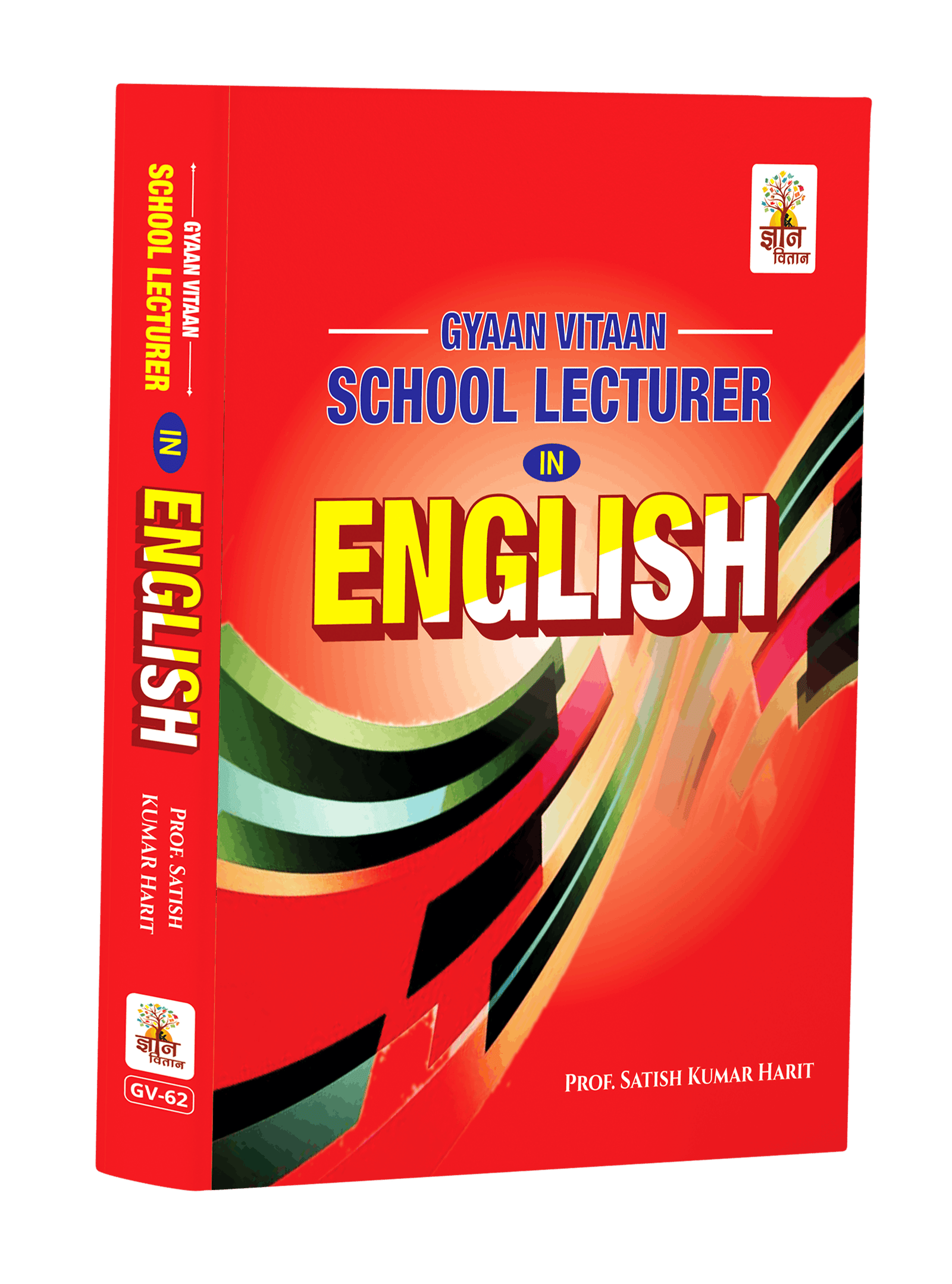
School Lecturer Sanskrit Book for Sanskrit Aspirants
Sanskrit lecturer examinations can require a combination of language knowledge, literature, grammar and other subject-specific areas. Candidates should therefore select a School Lecturer Sanskrit book according to the official syllabus and examination pattern.
As with Hindi preparation, Sanskrit candidates can benefit from a structured learning resource that brings important topics together. Instead of relying only on scattered notes, students can use a dedicated subject book as their primary reference and supplement it with practice papers or other required resources.
The same principle applies across competitive examinations: the resource should support understanding first and revision later.
Why Subject-Wise School Lecturer Books Can Be Useful
Different lecturer subjects require different preparation methods. A Hindi candidate may need extensive literature and grammar preparation, while a History aspirant may need chronological understanding and factual revision. Sanskrit preparation can involve language and literature-specific requirements.
This is why subject-wise School Lecturer books can be more practical than generic competitive examination books when the candidate has already selected a specific subject. A focused book allows students to spend their preparation time on the topics that directly relate to their examination.
Gyaan Vitaan Prakashan can naturally fit into this preparation approach by providing subject-focused educational resources for aspirants who prefer organised study material.
Combine Books With Previous-Year Questions
Even the best book should not be used in isolation. Previous-year questions can help candidates understand how information from the syllabus is converted into examination questions. After completing a topic from a School Lecturer Hindi book, students can solve relevant previous-year questions to test their understanding.
This approach has two benefits. First, it helps students identify whether they have actually understood the topic. Second, it provides insight into the type of information that requires greater attention during revision.
Candidates should analyse wrong answers rather than simply checking the final score. Understanding why an answer was incorrect is often more valuable than knowing the correct option.
Revision Strategy for School Lecturer Hindi Preparation
Revision is one of the most important parts of lecturer exam preparation because the syllabus can contain a large volume of information. Students who continuously add new material without revisiting old topics may find it difficult to recall important information later.
A practical strategy is to revise each completed topic at regular intervals. The first revision can happen soon after studying, followed by additional revisions at increasing intervals. Difficult topics can receive more attention than concepts that are already well understood.
A reliable School Lecturer exam book can make this process easier because students can return to the same organised source rather than revising from multiple scattered documents.
How Many Books Should a School Lecturer Aspirant Use?
There is no fixed number of books that every candidate should use. More books do not automatically mean better preparation. In fact, collecting too many resources can create confusion and reduce the time available for revision and practice.
A better approach is to select one strong primary book for the subject, use official syllabus information to identify gaps, and then add supplementary resources only where genuinely necessary. Previous-year papers, mock tests and revision material can then be used to strengthen preparation.
For Hindi candidates, a well-selected School Lecturer Hindi book can serve as the central resource around which the rest of the preparation plan is built.
Common Mistakes While Selecting School Lecturer Books
One common mistake is choosing a book only because it is popular without checking whether it matches the candidate’s specific examination. Another is selecting a very large book with extensive information but no clear organisation, making revision difficult.
Candidates should also avoid constantly changing their primary study material. If a student changes books every few weeks, they may repeatedly study the same introductory topics without completing the full syllabus.
The better approach is to select a suitable resource carefully, complete it systematically and revise it multiple times.
How Gyaan Vitaan Prakashan Can Fit Into Your Preparation
Gyaan Vitaan Prakashan can be considered by students looking for subject-focused books and educational resources for competitive examination preparation. For an aspirant, the value of a book depends on how effectively it supports the complete study journey—from understanding important concepts to revising them before the examination.
A resource from Gyaan Vitaan Prakashan can be used as part of a broader preparation strategy that includes syllabus analysis, regular study, previous-year questions, practice tests and revision. Students should select the specific title that matches their subject and target examination rather than choosing books only on the basis of general popularity.
The objective should always remain focused preparation. A good book should reduce confusion, organise information and give students a dependable resource to return to throughout their preparation.
How to Build a Complete School Lecturer Exam Preparation Strategy
Books are an important component of preparation, but successful examination preparation generally requires several activities working together. Students should begin by understanding the official syllabus and identifying the weightage or structure of their target examination.
After that, they can divide the syllabus into sections and assign realistic study targets. Each topic should move through a simple cycle: learn, practise, revise and test. This process helps prevent the common problem of completing lectures or chapters without actually developing examination readiness.
For Hindi candidates, literary topics can be studied alongside grammar and language practice. Regular revision should be built into the timetable instead of being postponed until the end.
Books, Notes and Digital Resources: What Should You Choose?
Digital resources have made educational information easier to access, but this does not mean physical or structured books have become irrelevant. A book provides a stable reference that students can annotate, revisit and revise without constantly switching between websites and applications.
Digital resources can be useful for additional explanations, current information or practice, depending on the examination. However, candidates should avoid using too many resources simultaneously.
A focused combination of a reliable School Lecturer book, previous-year papers, practice tests and selective digital resources can provide a balanced preparation system.
A Practical Daily Routine for School Lecturer Aspirants
A daily routine does not need to involve studying every subject simultaneously. Students can allocate dedicated sessions for their primary subject, revision and question practice. The exact number of hours will depend on individual circumstances, but consistency is generally more important than following an unrealistic timetable.
A Hindi candidate might dedicate one study session to literature, another to language or grammar and a shorter session to revision or previous-year questions. Weekly testing can then help measure progress.
The important principle is to maintain continuity. Studying intensively for a few days and then taking long breaks can make it difficult to retain a large syllabus.
Final Thoughts
Choosing the right book is one of the most practical decisions a School Lecturer aspirant can make during exam preparation. For Hindi candidates, a well-structured School Lecturer Hindi book can provide a central resource for literature, language, grammar and other syllabus-related areas. The same principle applies to other subjects, where aspirants may require a dedicated School Lecturer History book, School Lecturer Sanskrit book or other subject-specific resources.
The goal should not be to collect as many School Lecturer books as possible. Instead, candidates should select reliable resources that match their examination, study them thoroughly, practise previous-year questions, revise regularly and test their progress. A focused preparation system is usually more manageable than constantly switching between different materials.
Gyaan Vitaan Prakashan can be considered by aspirants looking for subject-oriented educational and examination preparation resources. Whether a student is preparing for Hindi, History, Sanskrit or another lecturer-level subject, the right book should become part of a larger strategy that includes understanding, practice, revision and self-assessment.
Ultimately, the best School Lecturer exam books are the ones that help candidates study with greater clarity and consistency. The quality of preparation depends not only on the book selected but also on how effectively the candidate uses it. A carefully chosen primary resource, supported by regular practice and revision, can make the preparation journey more organised and purposeful.
FAQs
1. Which is the best School Lecturer Hindi book for exam preparation?
The best book depends on the candidate’s target examination and syllabus. A suitable School Lecturer Hindi book should provide relevant coverage of Hindi literature, language, grammar and other required topics while remaining easy to understand and revise.
2. How should I use a School Lecturer Hindi book?
Start by studying the syllabus and dividing the book into manageable topics. Understand each chapter, practise relevant questions, mark difficult areas and revise the material repeatedly. Combining the book with previous-year papers can make preparation more examination-focused.
3. Is one School Lecturer book enough for preparation?
One primary book can provide a strong foundation, but candidates may need supplementary resources depending on their examination syllabus. Instead of collecting many books, it is generally more useful to complete and revise one reliable primary resource thoroughly.
4. What should I look for in School Lecturer exam books?
Check syllabus coverage, subject relevance, clarity of explanations, organisation, revision-friendliness and examination-oriented content. The book should match the specific lecturer examination you are preparing for.
5. Can I use School Lecturer books for multiple subjects?
Yes, subject-specific books can be used when preparing for different lecturer subjects. For example, candidates may use a School Lecturer Hindi book for Hindi, a School Lecturer History book for History and a School Lecturer Sanskrit book for Sanskrit, depending on their examination requirements.