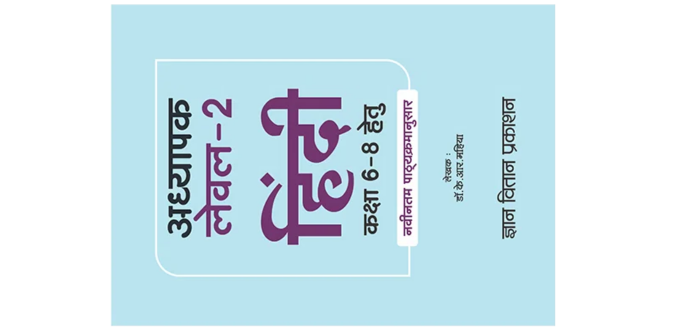
Preparing for a School Lecturer Hindi examination requires more than reading general Hindi textbooks or memorizing isolated facts. Hindi literature, language, grammar, literary history, poetry, prose, criticism, important writers, literary movements, and examination-oriented questions all need to be studied in a systematic manner. Because the syllabus can cover a broad range of topics, choosing the right study material is an important part of preparation. A well-structured School Lecturer Hindi book can help candidates organize the syllabus, strengthen conceptual understanding, revise important topics, and practice the type of questions relevant to competitive examinations. For serious aspirants, the objective should be to use a reliable resource that supports both detailed study and repeated revision.
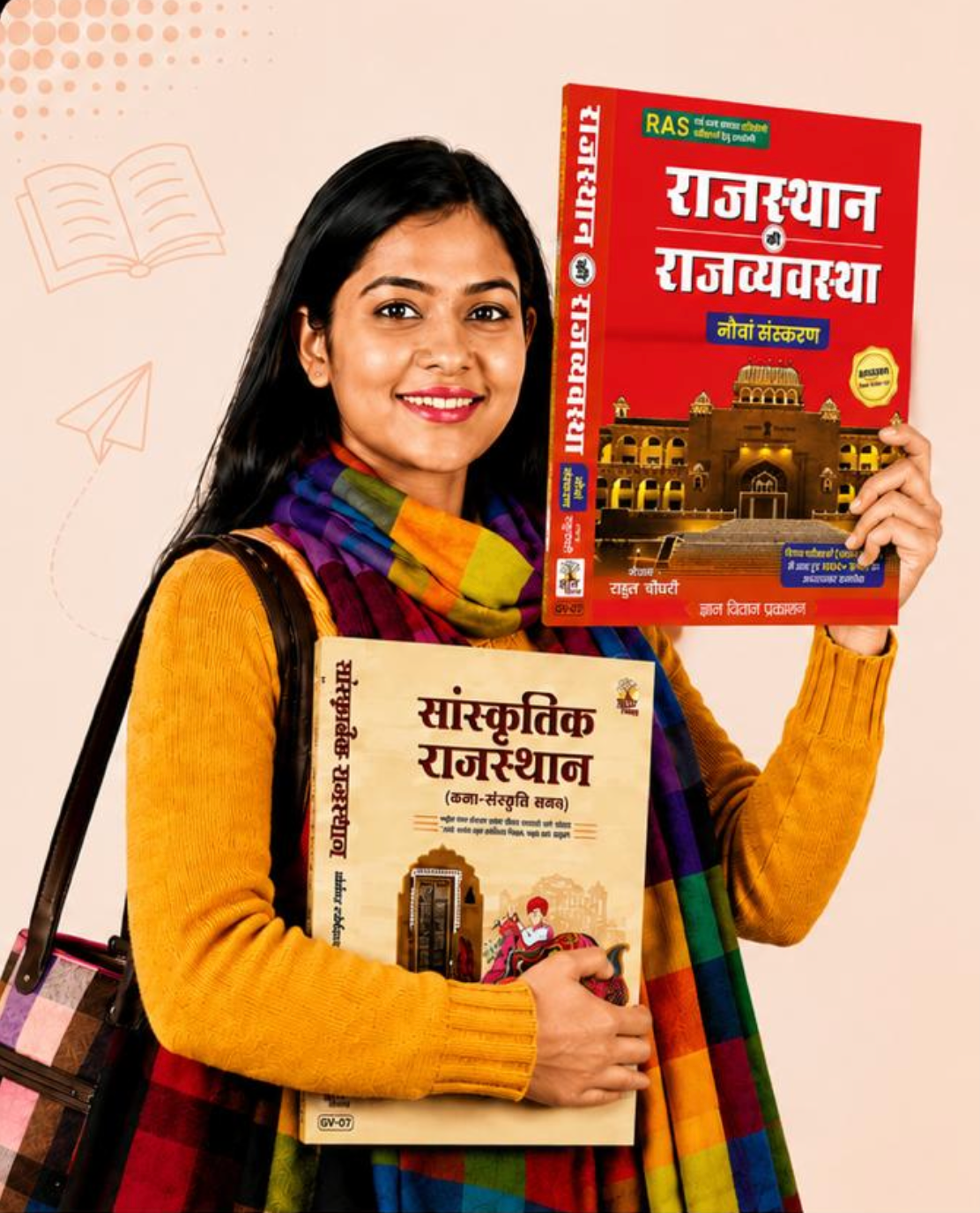
Gyaan Vitaan Prakashan provides examination-oriented books designed to support students preparing for competitive and teaching examinations. When selecting School Lecturer books, candidates should consider whether the material covers the relevant syllabus comprehensively, explains difficult concepts clearly, includes important literary information, and provides content that can be revised effectively. Hindi subject preparation requires a balanced understanding of language as well as literature, so a suitable book should help students build a strong foundation while keeping their preparation focused on the requirements of the examination.
Why Choosing the Right School Lecturer Hindi Book Matters
The quality and structure of study material can influence how efficiently a candidate prepares for a competitive examination. A book that presents information in an organized manner can save students from repeatedly searching through multiple unrelated resources. For Hindi lecturer preparation, this becomes particularly important because the subject includes interconnected areas such as Hindi language, grammar, literary history, poetry, prose, literary criticism, and different periods and movements.
A good School Lecturer Hindi book should therefore function as a focused preparation resource rather than simply being a collection of general information. Students should be able to study a topic, understand its key concepts, revise the important information, and connect it with possible examination questions. This approach can make preparation more manageable, especially when candidates have limited time before the examination.
Understanding the Hindi School Lecturer Syllabus
Before selecting any School Lecturer exam books, candidates should first understand the syllabus and examination requirements of their target recruitment examination. The exact syllabus, eligibility criteria, examination pattern, and marking scheme can vary depending on the recruiting authority and notification.
For Hindi subject preparation, aspirants commonly need to work across multiple dimensions of the subject. These may include language and grammar, Hindi literature, literary periods, important authors and works, poetry, prose, criticism, literary theories, movements, and other prescribed areas. Candidates should always compare their selected study material with the latest official syllabus to make sure their preparation remains relevant.
Hindi Literature Requires Conceptual Preparation
Hindi literature is not a subject that can always be prepared effectively through simple memorization. Candidates need to understand the development of Hindi literature, characteristics of different literary periods, important literary movements, major writers, significant works, and the relationship between social and literary developments.
A well-organized School Lecturer Hindi book can help students create connections between these topics. For example, instead of studying authors and literary movements as completely separate facts, students can understand how particular writers contributed to specific literary trends and how their works reflect the characteristics of their respective periods.
Importance of Hindi Literary History
Hindi literary history is an important area for candidates preparing for lecturer-level Hindi examinations. Students may need to understand different periods of Hindi literature and the major characteristics associated with them. The preparation may involve important writers, literary works, movements, language development, and changes in literary expression.
The challenge is that literary history contains a large amount of information. Without proper organization, candidates may find it difficult to remember authors, works, periods, and characteristics. A structured book can make this information easier to study by presenting related concepts together and allowing students to revise them systematically.
Hindi Grammar and Language Preparation
Hindi grammar is another significant component of subject preparation. Candidates should develop clarity regarding grammatical rules, language structure, vocabulary, sentence construction, and other relevant areas included in their examination syllabus.
Grammar preparation becomes more effective when students understand the underlying rules rather than simply memorizing answers. Regular revision and practice can help reinforce these concepts. A suitable School Lecturer Hindi book should therefore provide clear explanations and organized content that candidates can revisit during different stages of their preparation.
Preparing Poetry and Prose Effectively
Hindi poetry and prose include a wide variety of authors, works, themes, styles, and literary characteristics. Candidates may need to understand not only the names of important writers but also the literary features associated with their works.
Students should approach poetry and prose preparation by focusing on the context, literary characteristics, important works, authorship, themes, and examination-relevant information. Connecting these elements makes revision more meaningful than memorizing disconnected facts. Gyaan Vitaan Prakashan’s subject-oriented resources can be incorporated into a preparation routine that combines detailed study with repeated revision.
Role of Literary Criticism
Literary criticism can appear challenging because it involves theoretical concepts, terminology, critical approaches, and interpretations of literature. Candidates preparing for lecturer-level examinations should understand the basic ideas behind important critical concepts rather than attempting to memorize definitions without context.
A strong preparation resource should present difficult concepts in an organized and understandable manner. Students can then create concise revision notes and use practice questions to test whether they can recall and apply what they have studied.

How to Study Hindi Literature for Competitive Exams
Effective preparation generally requires a combination of reading, understanding, revision, and question practice. Students should avoid spending the entire preparation period simply reading books from beginning to end without testing their knowledge.
A useful study cycle can involve learning a topic, making short notes, revising it after a few days, solving related questions, and returning to difficult areas later. This repeated exposure helps candidates identify weak topics and improve retention over time.
What Makes a Good School Lecturer Hindi Book?
A useful book for lecturer-level preparation should be comprehensive enough to cover the relevant syllabus while remaining organized enough for repeated revision. Candidates should look for clear explanations, accurate information, logical topic arrangement, important literary details, and examination-oriented content.
The ideal resource also depends on the student’s preparation stage. Beginners may need more detailed explanations to establish their foundation, whereas experienced aspirants may prioritize concise revision material and question practice. Therefore, when searching for the Best School Lecturer Hindi Book, candidates should consider their own preparation needs rather than selecting a resource based only on its title.
Gyaan Vitaan Prakashan for School Lecturer Preparation
Gyaan Vitaan Prakashan develops academic and competitive examination books for students preparing for different examinations and subjects. Its collection includes resources relevant to Hindi and other subjects that may be useful for teaching and competitive examination preparation.
For Hindi aspirants, using a dedicated School Lecturer Hindi book can help keep subject preparation focused. Rather than relying on several unrelated resources, candidates can use an organized subject book as a central study resource and supplement it with previous-year questions, notes, mock tests, and official syllabus information.
School Lecturer Books Should Match Your Preparation Strategy
A book becomes more useful when it is incorporated into a broader preparation plan. Even the most comprehensive School Lecturer books cannot replace regular study and revision. Candidates need to determine how much time they have available and divide the syllabus accordingly.
For example, a student beginning preparation several months before the examination may spend more time understanding literary history and difficult theoretical concepts. A candidate closer to the examination may focus more heavily on revision, practice questions, previous-year papers, and rapid recall of important information.
Using Previous-Year Questions With Your Hindi Book
Previous-year questions provide useful examination context because they allow students to see how concepts can be tested. They can also help candidates identify topics that require additional attention.
After studying a chapter from a School Lecturer Hindi book, students can solve questions related to that topic and analyze their mistakes. If a candidate repeatedly answers questions incorrectly from one area, that topic can be added to a focused revision list. This creates a more personalized study process.
Revision Strategy for Hindi Subject
Revision is particularly important for Hindi because the subject contains a substantial amount of factual and conceptual information. Students may understand a topic when they first study it but forget details if they do not revisit it.
Instead of waiting until the final weeks, candidates should use multiple revision cycles. The first revision can reinforce recently learned information, while later revisions can focus on quick recall of authors, works, periods, concepts, and important literary characteristics.
Making Notes From School Lecturer Exam Books
Students do not necessarily need to rewrite entire chapters into notebooks. Effective notes should capture information that is difficult to remember or frequently confused.
For Hindi literature, useful revision notes might include relationships between literary periods and authors, important works, distinctive literary characteristics, critical concepts, and frequently tested facts. Keeping notes concise makes them more useful during final revision.
Balancing Hindi With Other School Lecturer Subjects
Candidates preparing for teaching examinations may be required to study multiple sections or subjects depending on their examination. While Hindi may be the primary subject for one candidate, another aspirant may also be preparing for broader examination sections.
This is why time management matters. Students should allocate enough time to Hindi without completely neglecting other required areas. A structured School Lecturer exam books collection can help candidates organize preparation across different subjects and avoid unnecessary duplication of study material.
School Lecturer History Book and Other Subject Resources
Candidates preparing for different teaching subject examinations may also search for a School Lecturer History book or other subject-specific resources. History preparation has its own requirements, including chronology, important events, personalities, cultural developments, political developments, and historical interpretation.
Similarly, candidates looking for a School Lecturer Sanskrit book require resources specifically designed around Sanskrit language and literature. These subjects should not be prepared using generic resources because each has its own syllabus and conceptual framework. Subject-specific books make it easier to keep preparation aligned with the examination requirements.
Why Subject-Specific Books Are Useful
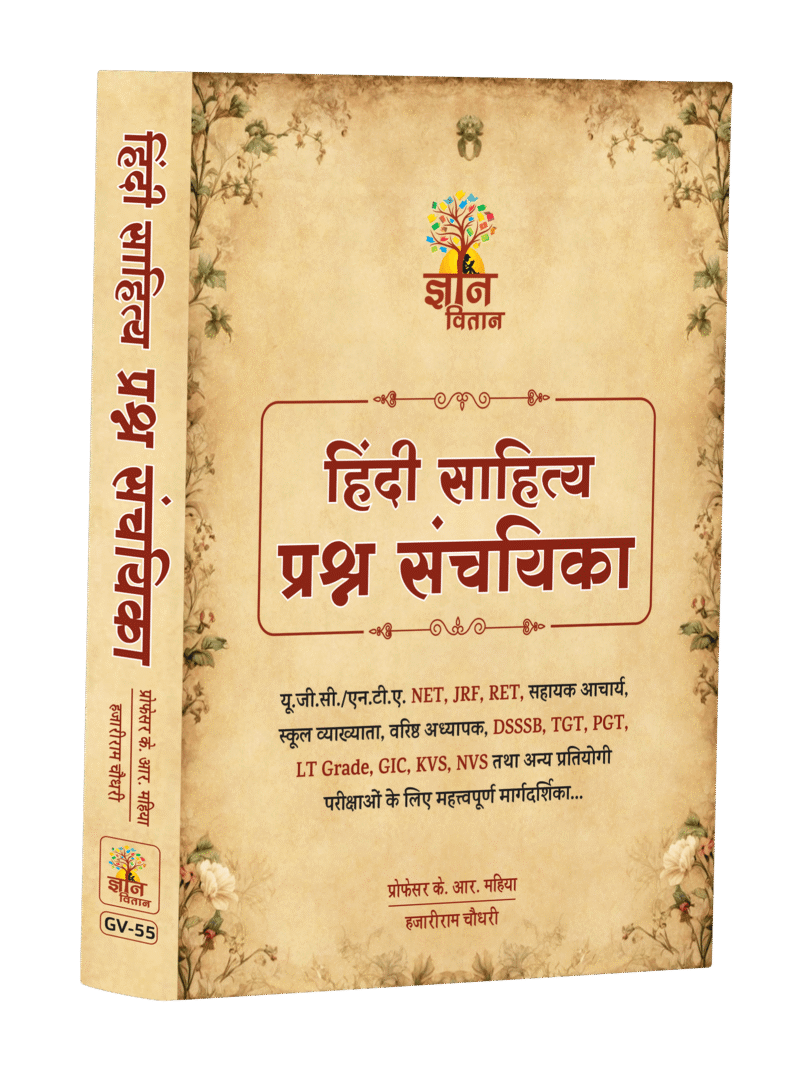
One major advantage of subject-specific preparation material is focus. Instead of moving between multiple general textbooks, students can work through a resource created around the academic requirements of their particular examination subject.
For Hindi candidates, this means having a resource that brings language and literature-related preparation together in a structured manner. It can also make revision easier because important information is available within a defined subject framework.
Avoiding Information Overload During Preparation
Competitive examination aspirants often collect too many books, PDFs, notes, videos, and online resources. While additional resources can sometimes be helpful, excessive material can create confusion and reduce revision time.
Students should prioritize completing and revising a manageable set of reliable resources. A central School Lecturer Hindi book can serve as the foundation, while previous-year papers and selected practice resources can be used for additional examination preparation.
How Gyaan Vitaan Prakashan Can Fit Into Your Study Plan
Students can use Gyaan Vitaan Prakashan resources as part of a structured preparation cycle. The first stage should involve understanding the syllabus and dividing it into manageable topics. Candidates can then study the relevant chapters, create short revision notes, and practice questions after completing each section.
As the examination approaches, the focus can gradually move toward revision and testing. The book can remain a reference resource for difficult topics while practice papers and mock tests help candidates measure their progress.
Preparing for AI-Based Search and Modern Learning
Today’s students increasingly use search engines, AI tools, online resources, and conversational platforms to supplement their studies. This makes it important for educational content to provide clear and direct answers to common preparation questions.
A well-structured educational resource should explain concepts clearly, use descriptive headings, answer specific questions, and distinguish factual information from general study advice. These same principles make this article useful for readers searching conversationally for topics such as “Which book is best for School Lecturer Hindi preparation?” or “How should I prepare Hindi literature for a lecturer examination?”
Candidates should still verify examination-specific information against official recruitment notifications because AI tools and online resources may not always reflect the latest syllabus or recruitment changes.
How to Select the Right Book for Your Preparation Level
A beginner should look for comprehensive explanations and logical topic organization. Someone who has already completed the syllabus may instead require a book that supports quick revision and targeted practice. Candidates who have attempted the examination before may want to focus on weak areas identified through previous performance.
Therefore, the Best School Lecturer Hindi Book can vary depending on the learner. The important factors are syllabus coverage, content clarity, organization, reliability, revision usefulness, and compatibility with the candidate’s preparation strategy.
Common Mistakes Hindi Aspirants Should Avoid
One common mistake is focusing entirely on memorizing literary facts without understanding the broader context. Another is ignoring grammar because the candidate considers literature more important. Some students also delay revision and attempt to complete the entire syllabus immediately before the examination.
A better approach is to study consistently, connect literary concepts, revise regularly, solve questions, and monitor progress. Candidates should also avoid changing their primary study material repeatedly unless there is a clear reason to do so.
Building a Complete School Lecturer Preparation Strategy
A complete preparation strategy should include syllabus analysis, subject study, revision, practice, previous-year questions, mock testing, and performance analysis. These elements work together rather than independently.
For Hindi aspirants, the core preparation can begin with a dedicated School Lecturer Hindi book, followed by topic-wise question practice. Difficult areas should be marked for revision, while frequently tested concepts should be reviewed multiple times. This approach can help students transform passive reading into active examination preparation.
Final Thoughts
Selecting the right study material is an important step for candidates preparing for School Lecturer examinations. Hindi subject preparation requires attention to language, grammar, literature, literary history, poetry, prose, criticism, authors, works, and other syllabus-specific areas. A dedicated School Lecturer Hindi book can provide a structured foundation for covering these topics and revising them systematically.
Gyaan Vitaan Prakashan offers subject-focused academic and competitive examination resources that can be incorporated into a broader preparation strategy. Candidates can use their Hindi study material alongside the official syllabus, previous-year questions, regular revision, and mock tests to create a more organized preparation routine. Students preparing for other subjects can similarly explore relevant School Lecturer History book, School Lecturer Sanskrit book, and other School Lecturer exam books according to their individual examination requirements. Ultimately, consistent study, accurate resources, repeated revision, and focused practice remain essential parts of effective School Lecturer examination preparation.
FAQs
1. Which book is useful for School Lecturer Hindi preparation?
A dedicated School Lecturer Hindi book that follows the relevant syllabus and provides organized coverage of Hindi language and literature can be useful for preparation. Candidates should compare the book’s contents with the latest official syllabus and supplement their study with previous-year questions and revision.
2. What topics should I study for a School Lecturer Hindi examination?
Depending on the specific examination, Hindi preparation may include language and grammar, literary history, poetry, prose, important authors and works, literary movements, criticism, literary theories, and other prescribed topics. Candidates should always refer to the latest official examination syllabus for the exact requirements.
3. Are School Lecturer books enough for exam preparation?
Books are an important part of preparation, but candidates should also practice previous-year questions, take mock tests, revise regularly, and analyze their mistakes. A dedicated book can provide the subject foundation, while practice and testing help candidates prepare for the examination environment.
4. Can I use School Lecturer History book or School Lecturer Sanskrit book for other subjects?
A School Lecturer History book is intended for History preparation, while a School Lecturer Sanskrit book is designed for Sanskrit-related preparation. Since different subjects have different syllabi and concepts, candidates should use subject-specific resources that correspond to their target examination.
5. Why choose Gyaan Vitaan Prakashan for School Lecturer exam books?
Gyaan Vitaan Prakashan provides academic and competitive examination resources across different subjects. Candidates can use relevant School Lecturer exam books as part of a structured study plan that includes syllabus coverage, conceptual learning, revision, previous-year questions, and mock-test practice.