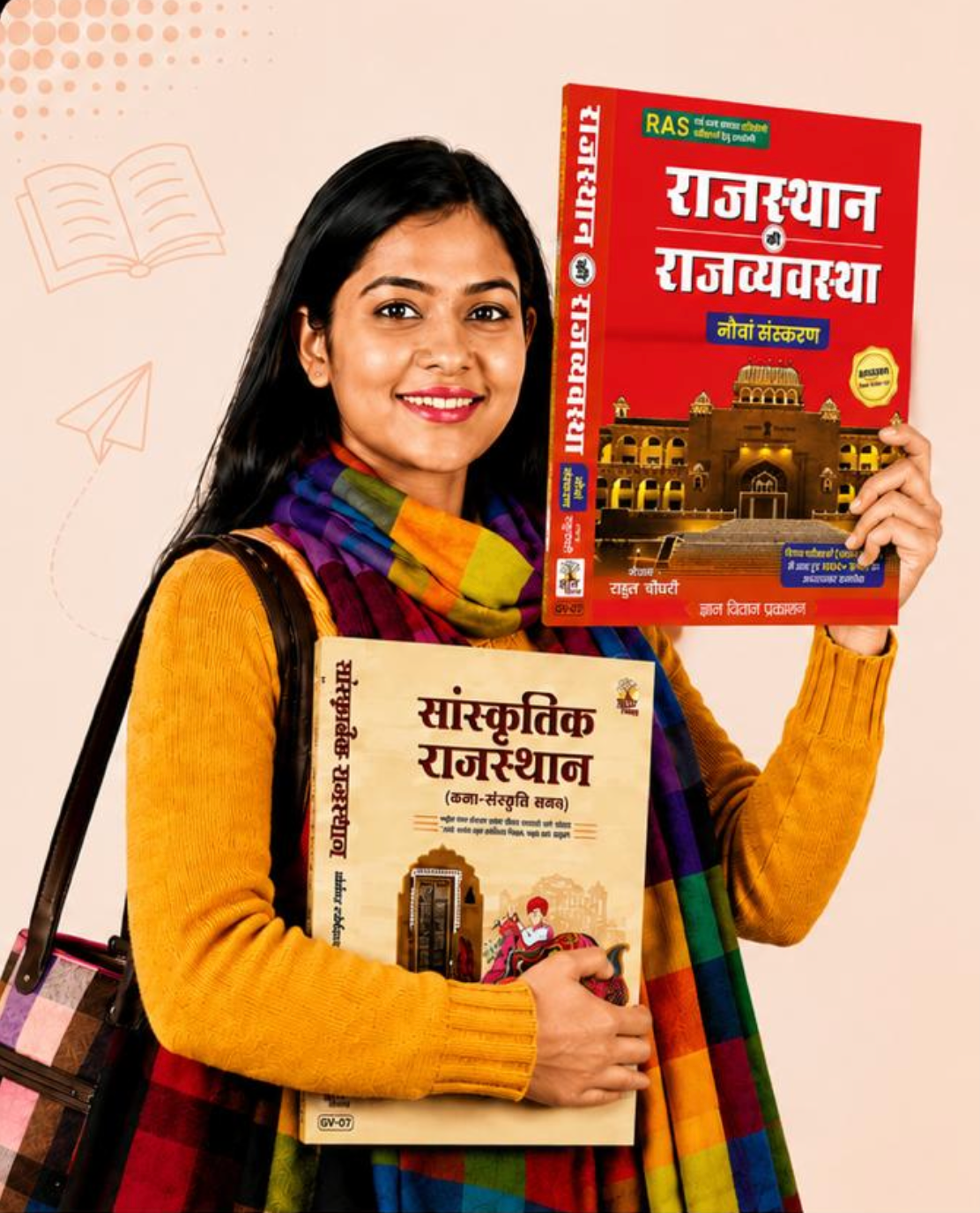
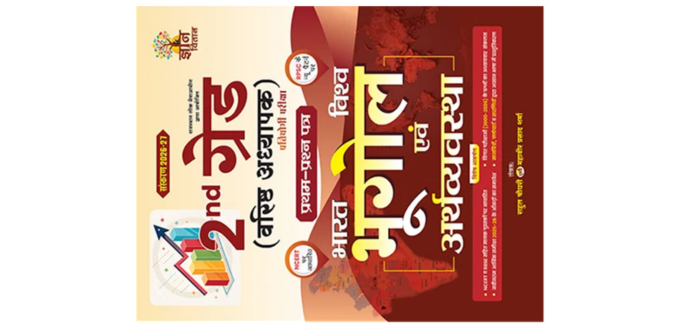
Preparing for a 2nd Grade Teacher examination can feel challenging when you are starting for the first time. The syllabus may cover multiple subjects, different types of questions can require different preparation techniques, and aspirants often have to balance conceptual learning with regular practice and revision. For beginners, one of the most important decisions is selecting the right study resources. The right 2nd grade teacher books can provide a structured foundation, help explain important concepts, and give students a reliable source for revision and practice. Instead of collecting a large number of books without a clear plan, beginners should focus on selecting resources that are relevant to their examination, updated according to the syllabus, and easy to use throughout the preparation journey.
Choosing suitable 2nd grade teacher exam books is not only about finding a book with a popular title or a large number of pages. A useful preparation book should support understanding, practice, revision, and exam-oriented preparation. Beginners should first understand the examination pattern and syllabus, identify their strong and weak areas, and then select books accordingly. The Best 2nd grade teacher books are those that help aspirants study systematically rather than making preparation unnecessarily complicated. Gyaanvitaan provides exam-oriented educational books designed to support students preparing for teaching and competitive examinations, making it an option worth considering when building a focused study plan.
What Should Beginners Know Before Starting 2nd Grade Teacher Exam Preparation?
Before purchasing books or creating a study timetable, beginners should understand what they are preparing for. The first step should be to review the latest official syllabus and examination pattern applicable to the target recruitment examination. Syllabus details, subjects, marks, question types, eligibility requirements, and other examination conditions can change, so candidates should always verify the current official information before finalising their preparation strategy.
Once the syllabus is understood, students can divide it into manageable sections. This makes it easier to determine which subjects require detailed conceptual study and which areas can be handled primarily through revision and practice. Beginners often make the mistake of starting with random chapters from different books. A better approach is to create a subject-wise roadmap and use selected 2nd grade teacher exam books as the primary study resources.
Why Are 2nd Grade Teacher Exam Books Important for Beginners?
Books provide structure to preparation. Instead of searching for explanations from multiple sources every time a topic becomes difficult, students can use a well-organised book to study concepts systematically. This can be particularly useful during the early stages when aspirants are still developing familiarity with the syllabus.
Good 2nd grade teacher books can also make revision easier. When the syllabus is extensive, students need resources that allow them to return to important concepts multiple times. A clearly organised book can become a consistent reference throughout preparation, from the first reading to final revision.
However, books should be treated as preparation tools rather than shortcuts. Reading a book once is rarely enough for a competitive examination. Students need to combine reading with note-making, question practice, revision, mock tests, and performance analysis.
How Should a Beginner Select the Best 2nd Grade Teacher Books?
Beginners should evaluate books according to relevance rather than simply selecting the most popular title. The first consideration should be whether the book covers the required syllabus. A book that contains excellent explanations but does not adequately cover the target examination may not be the right primary resource.
The second consideration is clarity. Beginners benefit from explanations that are organised and easy to understand. A book should help the learner move from basic concepts towards more examination-oriented applications.
The third consideration is practice. A preparation resource becomes more useful when students can apply what they have learned through relevant questions. Depending on the book, this may include objective questions, practice exercises, previous examination-style questions, model papers, or revision sections.
Finally, check whether the content is reasonably current. Candidates should be cautious about relying on outdated books when the syllabus or examination structure has changed.
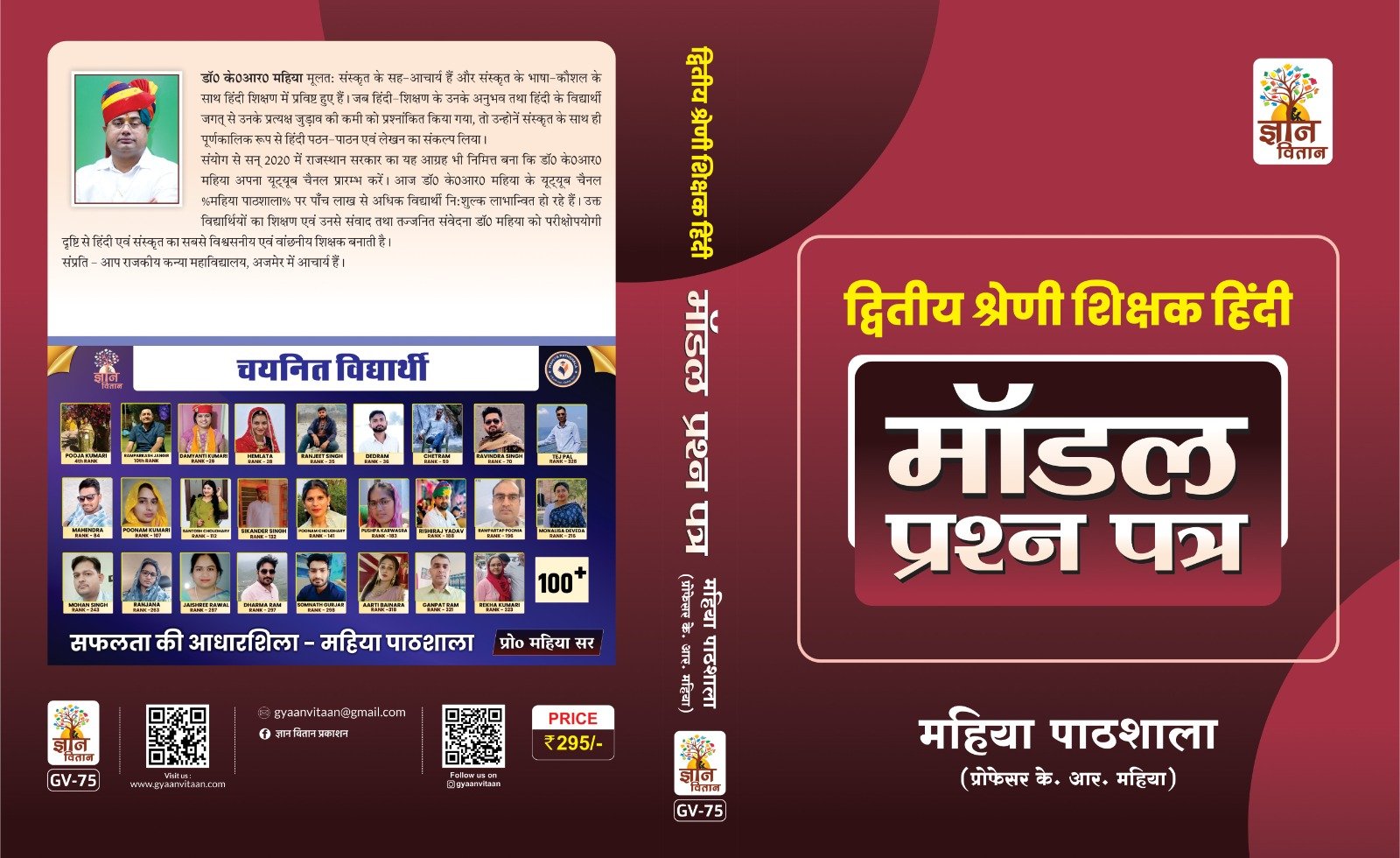
Start With the Syllabus, Not With the Book
One of the simplest ways to improve preparation is to begin with the syllabus. Students should have a copy of the applicable syllabus available while studying. Each chapter or topic can then be marked as completed, revised, or requiring additional practice.
This approach prevents a common problem: spending too much time on topics that are already familiar while leaving important areas incomplete. The syllabus becomes the framework, while 2nd grade teacher exam books become the resources used to complete that framework.
Beginners should also avoid assuming that completing a book automatically means completing the syllabus. The book and the official syllabus should be compared regularly to identify any areas that require additional preparation.
Create a Subject-Wise Study Strategy
Once the syllabus is divided into subjects and topics, students can create a realistic study routine. The timetable should take into account the candidate’s current academic level, available preparation time, and examination date.
A beginner may benefit from spending more time initially on conceptual understanding. Once the fundamentals become stronger, the focus can gradually shift towards question-solving, timed tests, revision, and identifying weak areas.
Instead of studying one subject continuously for several weeks and ignoring everything else, many students find it useful to maintain a balanced schedule. This provides repeated exposure to different subjects and reduces the risk of forgetting topics studied earlier.
Read to Understand, Not Just to Complete Chapters
A common mistake among beginners is treating preparation as a race to finish the maximum number of pages. Competitive examinations test the ability to understand and apply knowledge, so simply completing chapters does not necessarily indicate effective preparation.
When using 2nd grade teacher books, students should pause when they encounter an unfamiliar concept and make sure they understand it before moving ahead. Important definitions, concepts, facts, formulas, examples, and areas of confusion can be marked for later revision.
The goal of the first reading should be building a foundation. Students can focus more heavily on memorisation and rapid revision after they have developed a reasonable understanding of the material.
Make Short Revision Notes
Creating concise notes can be useful, particularly for subjects containing large amounts of information. However, beginners should avoid rewriting entire chapters. The purpose of notes is to make future revision faster.
Short notes can contain key definitions, important facts, difficult concepts, frequently confused points, and information that the student repeatedly forgets. As preparation progresses, these notes can become a valuable revision resource.
The best 2nd grade teacher books can reduce the need to create excessive notes if the content is already well organised. Students should therefore use their own judgement and make notes only where they provide genuine revision value.
Practice Questions After Every Topic
Conceptual learning should be followed by practice. Once a chapter or topic has been studied, students should attempt relevant questions without immediately checking the answers.
This process helps identify whether the concept has actually been understood. If a student consistently makes mistakes in one area, that topic can be marked for additional study.
Question practice also teaches students how examination concepts are converted into objective questions. With regular practice, aspirants can gradually become more familiar with common question structures and improve their ability to eliminate incorrect options.
Use Previous Papers as a Learning Tool
Previous examination papers can provide useful insight into the type and level of questions that candidates may encounter. They can help students understand which areas require more attention and how theoretical concepts are tested.
However, candidates should use previous papers carefully. The exact examination pattern can change, so older papers should be treated as practice and reference material rather than a guarantee of future questions.
Combining syllabus-based study from 2nd grade teacher exam books with previous-paper practice can provide a more balanced preparation approach.
Why Revision Is Essential for Teacher Exam Preparation
Many beginners spend most of their preparation time learning new topics and leave very little time for revision. This can create a problem because information that is not revisited regularly can become difficult to recall.
A better strategy is to build revision into the timetable from the beginning. Students can revise a topic shortly after learning it and then revisit it again after a longer interval. This repeated exposure can help strengthen recall.
As the examination approaches, revision can become more focused. Instead of reading every chapter from the beginning, students can rely on marked sections, short notes, practice mistakes, and important revision resources.
How Mock Tests Improve Preparation
Mock tests provide an opportunity to practise under conditions that resemble an actual examination. They can help students assess their speed, accuracy, time management, and ability to remain focused while solving a complete paper.
The most important part of a mock test is not the score alone. Students should analyse incorrect answers and determine why they made each mistake. Was the concept unclear? Was the question misunderstood? Was the mistake caused by rushing? Did the student spend too much time on one question?
This analysis turns testing into a learning process. Aspirants can then return to their 2nd grade teacher books and revise the specific concepts responsible for repeated errors.
What Makes the Best 2nd Grade Teacher Books Useful?
The Best 2nd grade teacher books should support multiple stages of preparation rather than being useful for only one reading. Ideally, the resource should be relevant to the syllabus, logically organised, understandable, and useful for revision and practice.
Students should also consider the quality of examples and questions. A preparation book should help bridge the gap between understanding a concept and answering an examination question.
Another important factor is usability. If the content is poorly organised or unnecessarily difficult to navigate, students may spend more time finding information than actually studying it. A well-structured resource can make preparation more efficient.
Avoid Using Too Many Books at the Same Time
Having more study material does not always mean better preparation. Beginners sometimes purchase several books for the same subject because they are worried about missing information. This can create confusion and make it difficult to complete any one resource properly.
A better strategy is to select a dependable primary book for each subject and use additional resources only when there is a genuine requirement. This keeps preparation focused.
The purpose of choosing Top 2nd grade teacher exam books should be to build a manageable study system, not an unnecessarily large library.
How Gyaanvitaan Can Support Your Preparation
Gyaanvitaan focuses on educational and competitive examination books designed to help aspirants prepare in a structured manner. For candidates looking for 2nd grade teacher exam books, selecting a resource that aligns with the examination syllabus and supports learning, revision, and practice can make the preparation process more organised.
Gyaanvitaan’s approach to exam-oriented educational publishing can be useful for students who want dedicated preparation material rather than depending entirely on scattered online information. Candidates should still compare the available book with the latest official syllabus and examination requirements before making their final selection.
A good preparation resource works best when it is combined with a consistent study routine. Students should read actively, practise questions, revise regularly, and use mock-test performance to identify areas requiring improvement.
A Simple Preparation Routine for Beginners
Beginners do not necessarily need an extremely complicated timetable. A simple routine can be more sustainable. Start the day or study session with a planned topic, focus on understanding the concept, and then practise relevant questions. At the end of the session, quickly review what was studied.
At the end of each week, students can review their progress against the syllabus. Topics that have not been completed should be rescheduled rather than ignored. Topics where performance is weak should receive additional practice.
As the examination gets closer, the balance can gradually shift from learning new material towards revision and testing. This ensures that students do not reach the final stage with a large amount of unfinished syllabus.
Common Mistakes Beginners Should Avoid
Beginners often make several avoidable mistakes during teacher exam preparation. One is studying without first understanding the syllabus. Another is changing books repeatedly because a chapter appears difficult. Difficulty is a normal part of preparation and does not necessarily mean the book is unsuitable.
Another common mistake is ignoring practice. Students may spend many hours reading but very little time answering questions. Competitive exams require both knowledge and the ability to apply that knowledge under time constraints.
Students should also avoid postponing revision until the last few weeks. Regular revision from the beginning makes the final preparation stage much more manageable.
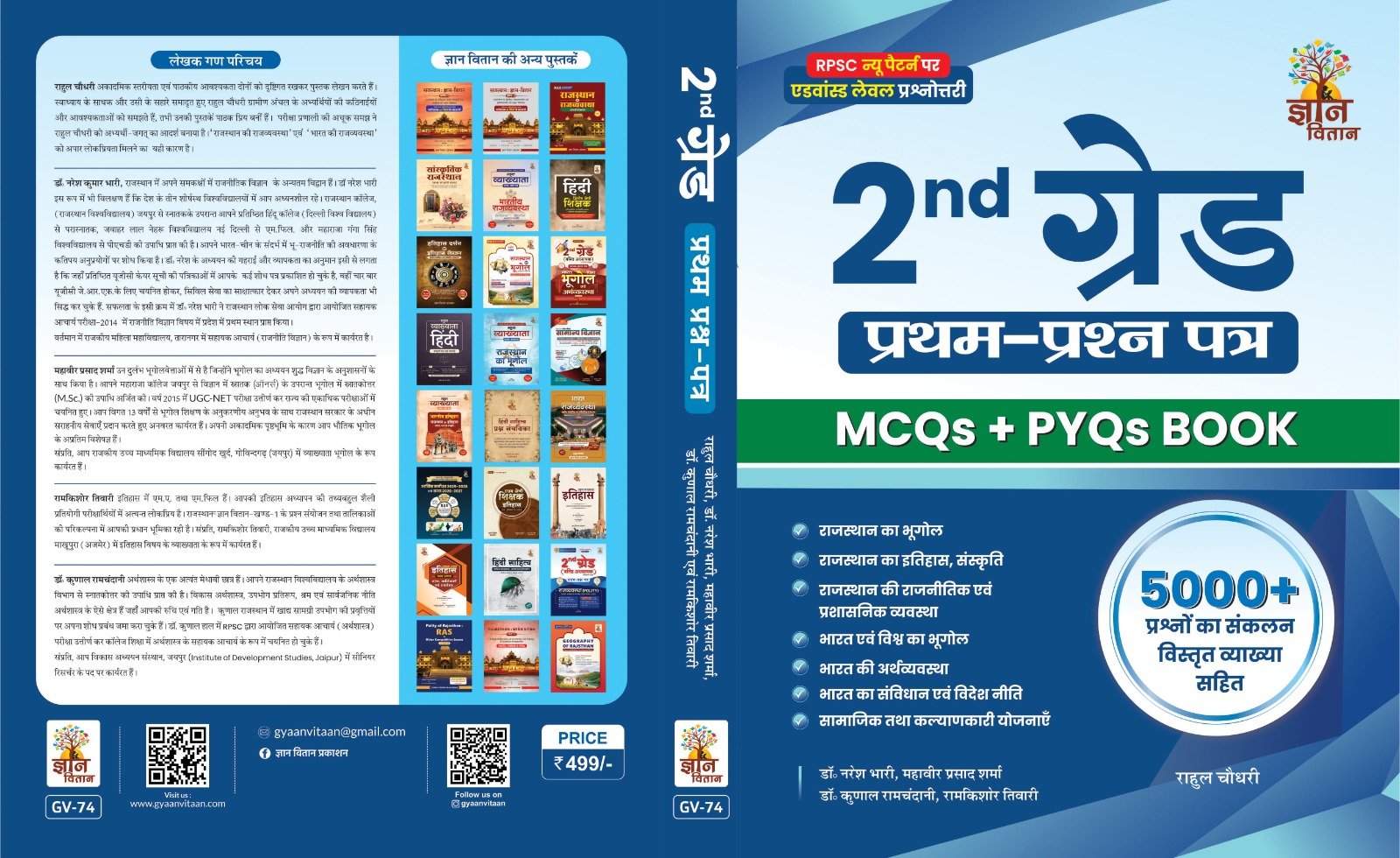
How to Know Whether Your Preparation Is Improving
Preparation progress should be measured through evidence rather than study hours alone. Ask yourself whether your ability to answer questions is improving, whether you can recall important concepts without repeatedly checking the book, and whether your performance in practice tests is becoming more consistent.
If a topic remains weak after several attempts, identify the reason. You may need a simpler explanation, additional examples, more practice questions, or a different revision method.
This self-assessment is an important part of serious preparation. The purpose of 2nd grade teacher books is to support this process, but students should continuously evaluate how effectively they are using their resources.
FAQs
1. Which books are best for 2nd Grade Teacher Exam preparation?
The best books are those that closely match the applicable syllabus, provide clear explanations, support practice and revision, and are appropriate for the candidate’s preparation level. Students should verify the latest syllabus before selecting their primary preparation books.
2. How should beginners use 2nd grade teacher exam books?
Beginners should first understand the syllabus, then study topics systematically from their selected books. After learning each topic, they should practise questions, mark difficult areas, revise regularly, and use mock tests to measure progress.
3. How many 2nd grade teacher books should I study?
There is no fixed number that works for every student. In most cases, it is better to thoroughly study a small number of relevant, well-organised resources than to collect many books and leave them incomplete.
4. Are previous-year papers necessary for 2nd Grade Teacher preparation?
Previous-year papers can be very useful for understanding question styles and practising exam-oriented problem solving. However, students should also follow the current official syllabus and examination pattern because these can change over time.
5. Where can I find suitable 2nd grade teacher exam books?
Students can explore dedicated educational publishers and book providers such as Gyaanvitaan and compare available titles with their target examination syllabus, subject requirements, edition information, and preparation level before purchasing.
Final Thoughts
Starting preparation for a 2nd Grade Teacher examination can seem overwhelming, but a structured approach can make the process much easier to manage. The first priority should be understanding the syllabus and examination requirements. After that, students can select relevant 2nd grade teacher books, create a realistic timetable, build concepts, practise questions, revise regularly, and use mock tests to measure improvement.
The Best 2nd grade teacher books are not necessarily the ones with the largest number of pages or the most promotional claims. A genuinely useful preparation resource should help students understand the required topics, practise effectively, revise efficiently, and remain focused on the examination syllabus. Similarly, Top 2nd grade teacher exam books should be judged by their relevance and usefulness rather than popularity alone.
For beginners, consistency is ultimately more important than trying to study everything at once. Choosing dependable resources from Gyaanvitaan, following a subject-wise plan, practising regularly, analysing mistakes, and revising repeatedly can create a stronger foundation for examination preparation. With disciplined study and the right resources, beginners can approach their 2nd Grade Teacher preparation with greater clarity, confidence, and direction.